Planning Board
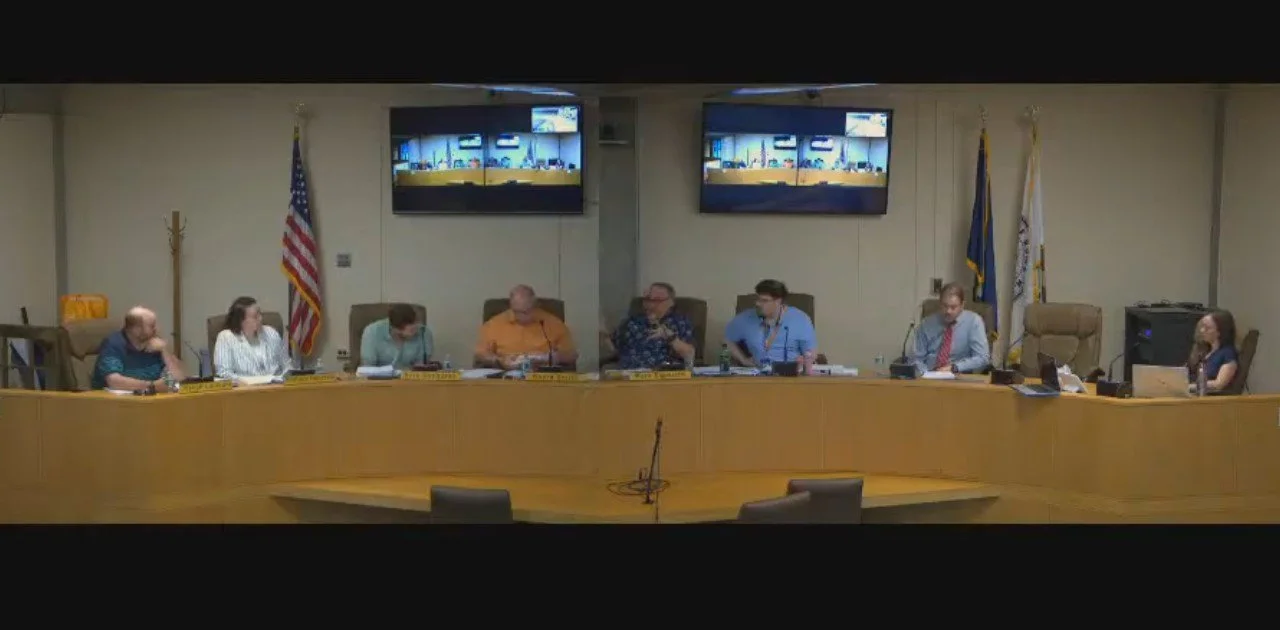
The Rome Planning Board is a five-member volunteer board that reviews how land in the city gets used and built on. If someone wants to put up a new building, split a parcel into smaller lots, change the zoning map, or alter a property in the historic district, the plans land here first. This body also handles the state-required environmental reviews that gauge a project's impact before it moves forward.
On the smaller stuff, like site plans and subdivisions, the board has the final say. On bigger zoning changes, it sends a recommendation to the Common Council, which holds the final vote.
The Stories We Are Following:
Short on time? These are the three Planning Board threads that you need to know about in Rome Right Now.
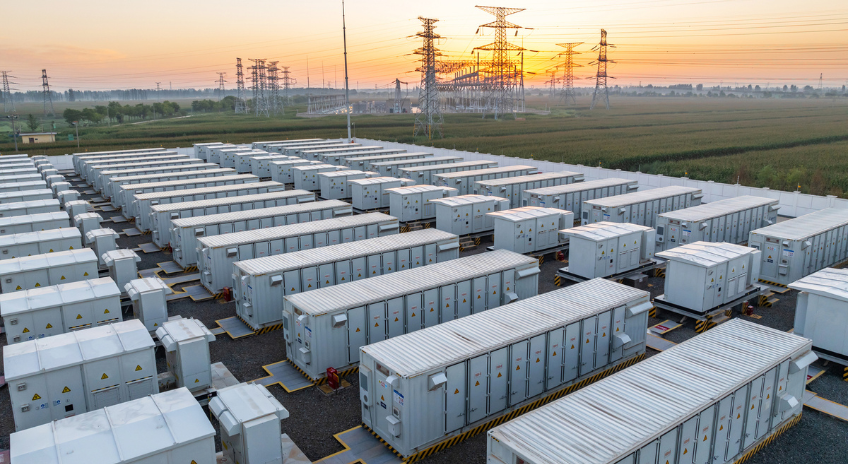
Rome Banned Battery Storage, But One Project Is Still In Line
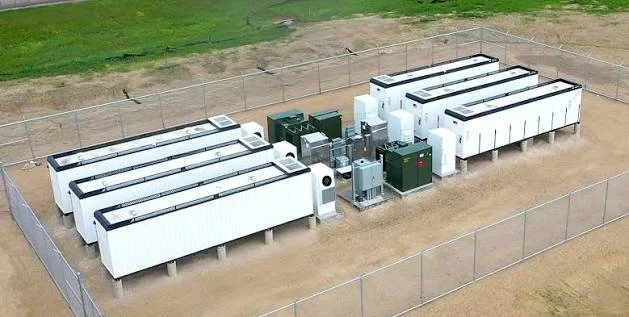
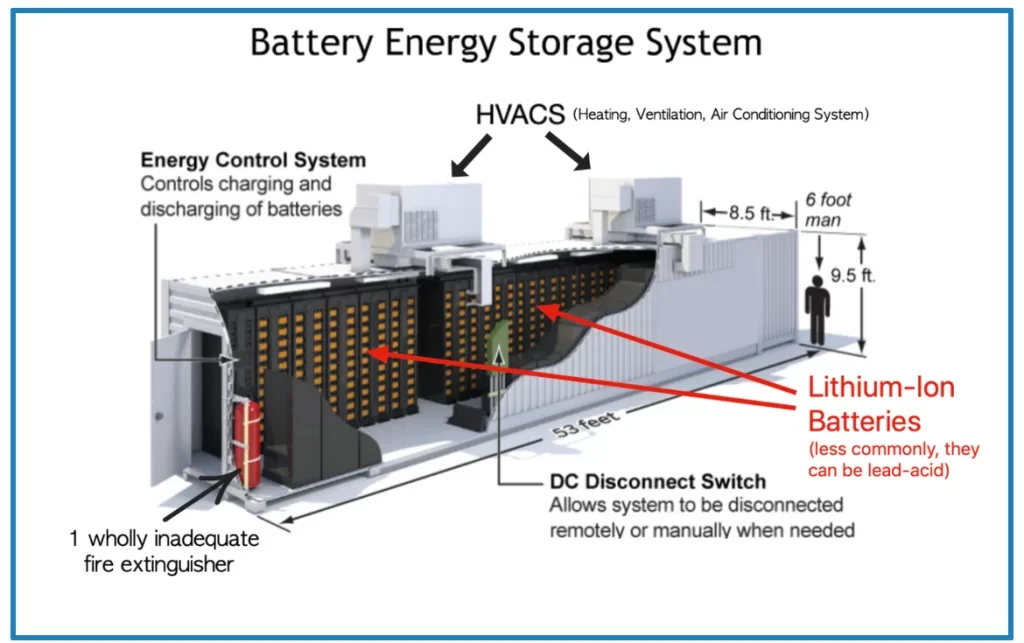
Battery energy storage systems, large banks of lithium-ion batteries that store power for the electric grid, have been the most debated issue before the board this year. It started when Scott Aaronson, CEO of DLD Energy, bought 600 Canal Street to build one. In June the board recommended a six-month pause, and in August it urged the Common Council to write safety rules instead of a ban. The council approved the pause at the end of June, then banned the systems outright in late August.
On October 6, the board announced that Aaronson's project can still move through review. After legal research, the city concluded that because his application was filed before the moratorium took effect, the ban does not stop it. That is not an approval. Since June, the board has said his plans are missing fire safety, engineering, and site details.
What to watch: Aaronson is expected back at the November 3 meeting with an updated plan. Any new battery proposal in Rome would fall under the ban.
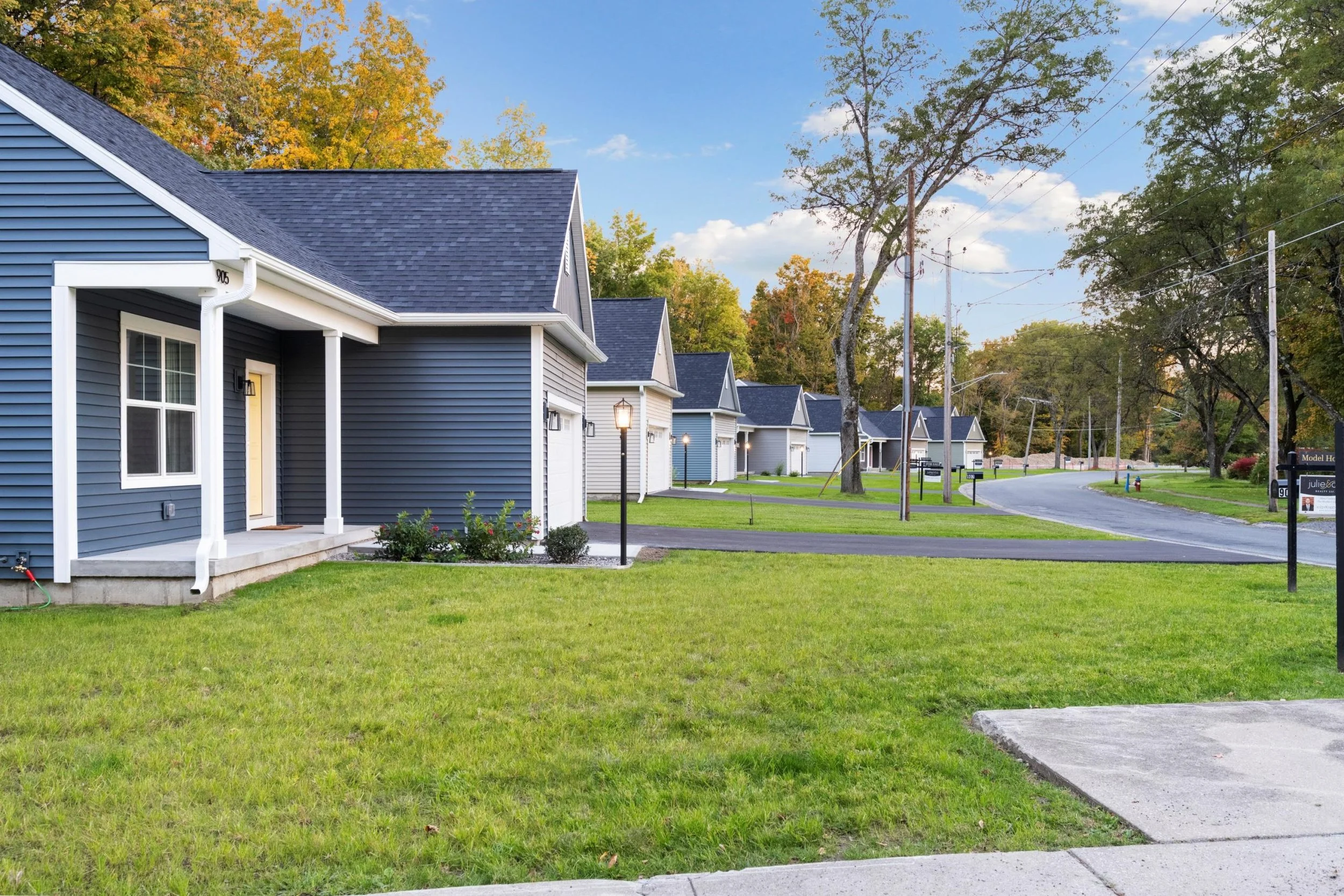
Rome's Big Housing Projects Are Approved, But Building Them Is Taking Longer
The board has approved hundreds of new homes in Rome, but rising costs are slowing the work. In October, Bonacio Development got one more year to start the next two phases of its Woodhaven project. Those phases add 84 duplex homes off Park Drive and 100 rental apartments off Floyd Avenue. So far, 11 single-family homes have been built in the first phase, and eight have sold. The developer cited inflation, building costs, and interest rates. Copper Village, a planned 250-unit affordable housing project for seniors and veterans on the south Rome waterfront, had its approval renewed in June. Its developer is still lining up the money to build.
The Nascentia Neighborhood on the old Beeches property on Turin Road is moving faster. The board gave early approval to its plan for 84 lots and about 110 homes aimed at people 55 and older. It is also reviewing a plan for 12 rental cottages near the Beeches Manor.
What to watch: Nascentia's final lot plan and the cottage plan are expected back in November. Copper Village is not expected to break ground until the second half of 2027.
Smaller Projects Around Town Are Filling The Planning Board's Agenda
Much of the board's recent work has come from smaller projects, many by businesses already in Rome. In September, the board approved a lot split on Rome-Taberg Road so First Source Federal Credit Union can build a second Rome branch. It also approved a 7,250-square-foot equipment building for the R. Jones landscaping business on Rome-Westernville Road. In July, Ret's Card Utopia won conditional approval for a parking lot as the shop moves to a bigger building on Erie Boulevard West. And in August, after three months of review, the board approved a 190-foot Verizon cell tower on Lowell Road.
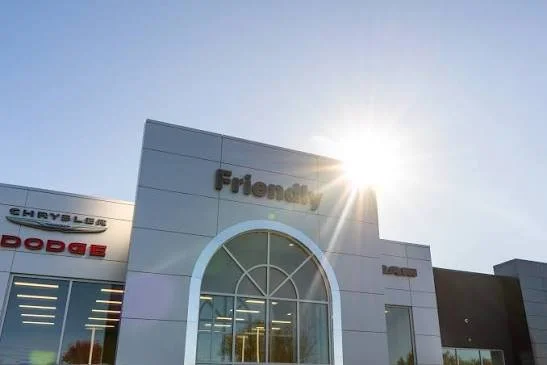
Next in line is Friendly Chrysler Dodge Jeep Ram on Rome-Taberg Road. The dealership wants to add about 10,000 square feet, including a drive-through service entrance. It also plans to tear down an older office building on the lot and fix drainage in its parking lot.
What to watch: The dealership plan was put on hold in October while state agencies finish their environmental comments. It is expected back in November. First Source will return later for approval of the branch building itself.