Zoning Board of Appeals
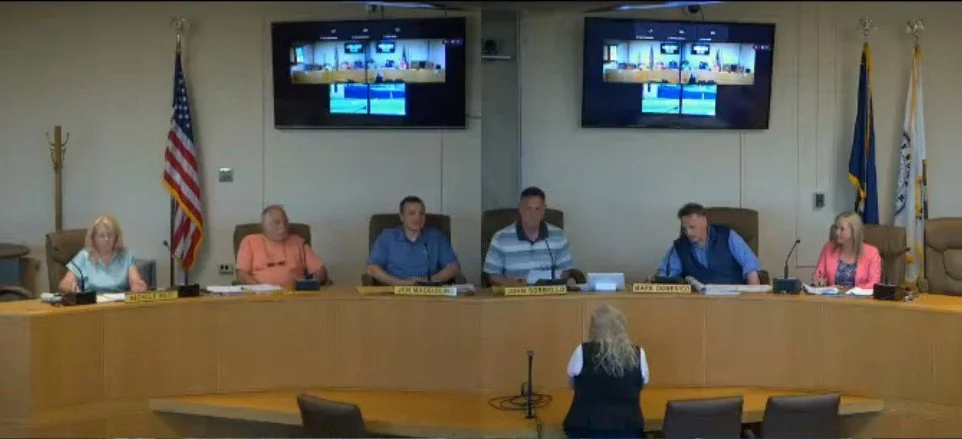
The Zoning Board of Appeals is a panel of appointed residents that decides when a property owner can get an exception to the city’s zoning rules. That usually means a variance or a special use permit. The board also hears appeals from people who disagree with a ruling by the city's code enforcement office. It meets on the first Wednesday of each month at City Hall when there's an application to consider, and it can vote to approve or deny each request.
The Stories We Are Following:
Short on time? These are the three Zoning Board of Appeals threads that you need to know about in Rome Right Now.

Building A Small Second Home To Grow Old In. Planning Makes the Difference.
On September 2, the board approved both requests a homeowner needed to build a detached accessory dwelling unit (a second, smaller home on the same lot) behind the house at 8110 Passer Road. The homeowners plan to live in it themselves as they age, with their son moving into the main house. The first approval was a special use permit, because an ADU is not automatically allowed in that zone. The second was an area variance on size. City code caps an ADU at 60% of the main house's floor area, and with the existing home at 1,170 square feet, that allowed only 702. The couple asked for 950 and got it. Both votes were 5-0.
The reason they needed the variance says something about how the rule works. At 702 square feet, once a kitchen, bathroom, bedroom, and laundry fit on one level, there is no room left for a living room. There is also no room for a wheelchair to turn, which the couple is planning for. Board members noted that a fixed percentage can produce odd results on a large lot with a small house. New York has been encouraging ADUs as a way to add housing. Watch whether more Rome homeowners bump into the same ceiling.
The Board Has Approved A Wave Of New Projects. Most Have Not Been Built Yet.
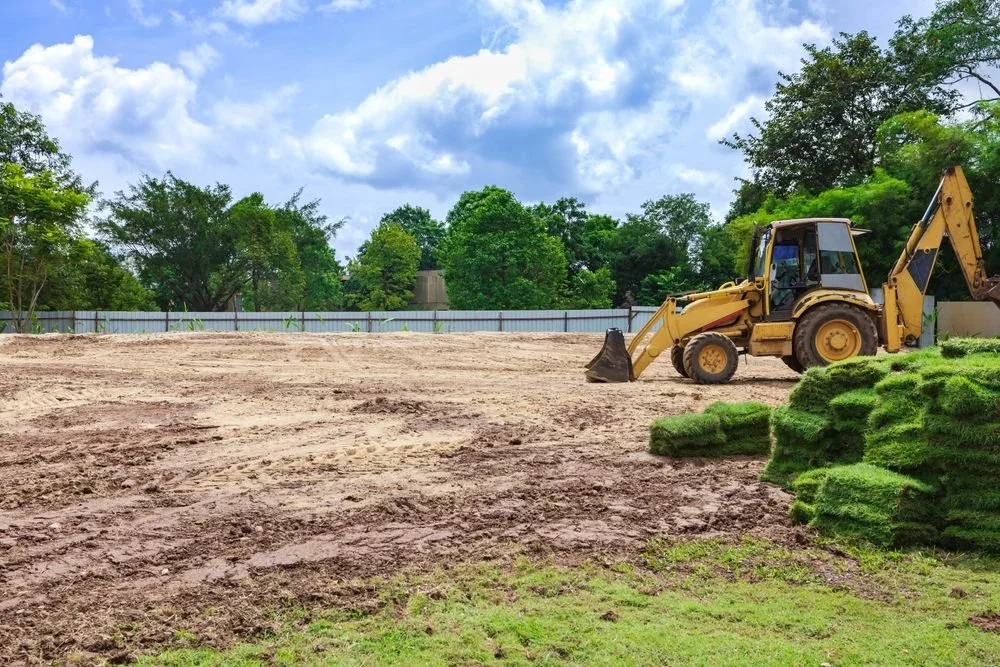
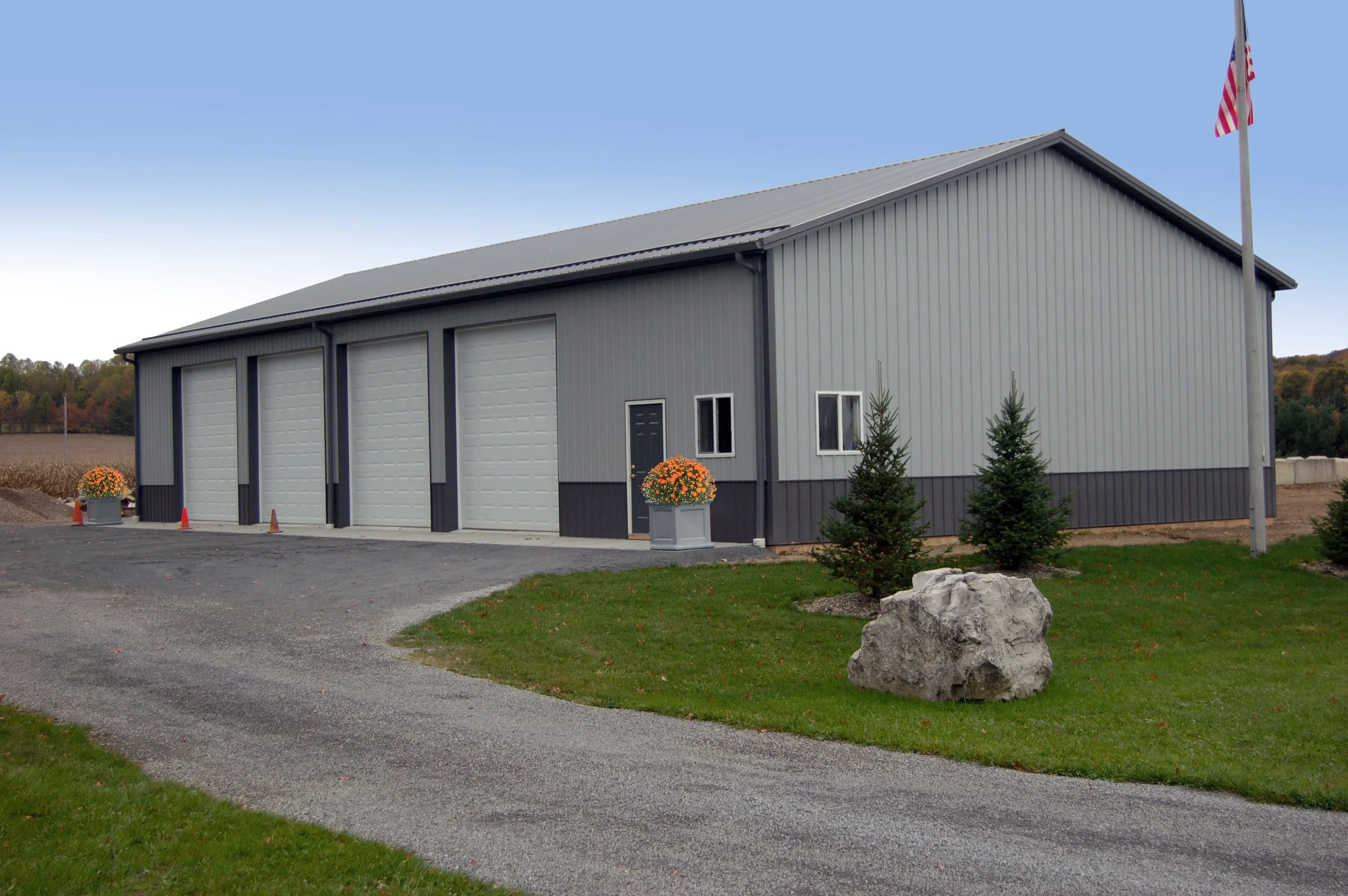
Since spring, the board has cleared a steady run of development. In May, it approved the former Rome Catholic School on Cypress Street to reopen as a public pre-K, leased to the Rome City School District. In June, it approved converting the former Rome Cable office building on South Jay Street into roughly 40 apartments with ground-floor commercial space. In July, it granted height variances for two four-story hotels at the Griffiss Business and Technology Park. And in August, it approved a sign for a cannabis dispensary opening on Rome Taberg Road, and a 7,250-square-foot storage building for R. Jones Nursery & Landscape.
An approval is a start, not a finish. The hotels' developer expects to break ground on the first building in late 2026 or early 2027 and the second in 2028, with the full project taking three to five years. The nursery's building still needs site plan review from the Planning Board, and the dispensary needs a building permit before its sign goes up. The pre-K and the apartment conversion are the furthest along. If you want to see how Rome changes over the next several years, the board's monthly agenda is usually where it shows up first.

Two October Cases Show What Happens When Permits Get Skipped.
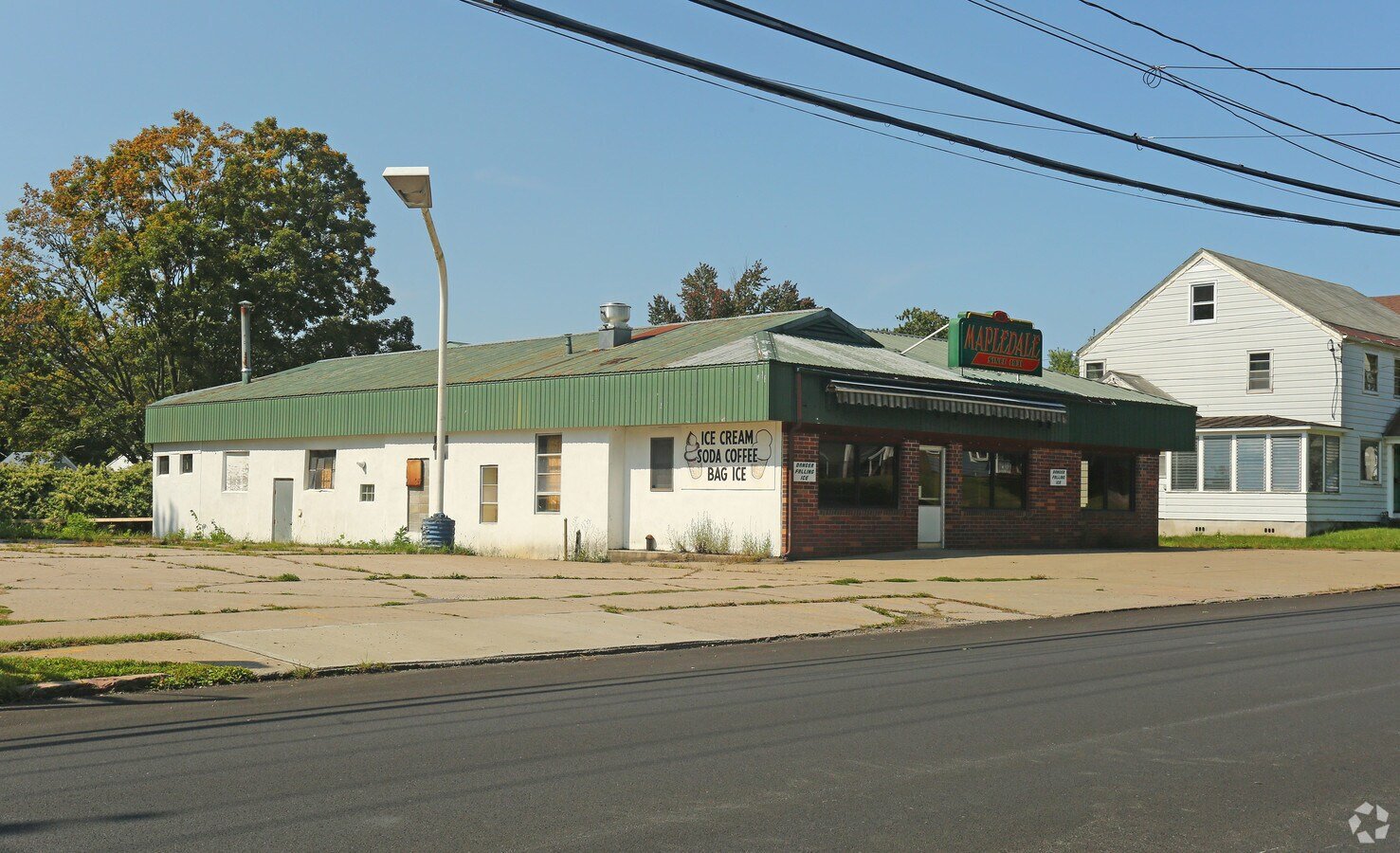
On October 7, the board approved a replacement shed at 503 William Street, ending a case that had been on hold since August. The shed it replaced had gone up without a permit, and no one could say for sure where the property line was. After a survey, the owner had the new shed moved closer to his house, and the neighbor who raised the concerns said the move eased her family’s problems. Approved 5-0. The same night, the board voted 5-0 to let 202 North George Street be used as a single-family home. The building is approved as a business with an apartment, but city records say it was turned into a house years ago without permits.
In both cases, the current owners said the problem was already there when they bought the property, and it still fell to them to fix it. When a building is changed without a permit, the city’s records don’t change and nobody inspects the work. The fix comes later, through a variance hearing, a building permit, and inspections. The city’s code enforcement director told the board that skipping permits creates problems that surface years later.

October 7, 2026 - Order of Operations

September 2, 2026 - Room to Live

August 5, 2026 - Where's the Line
July 1, 2026 - Room to Grow
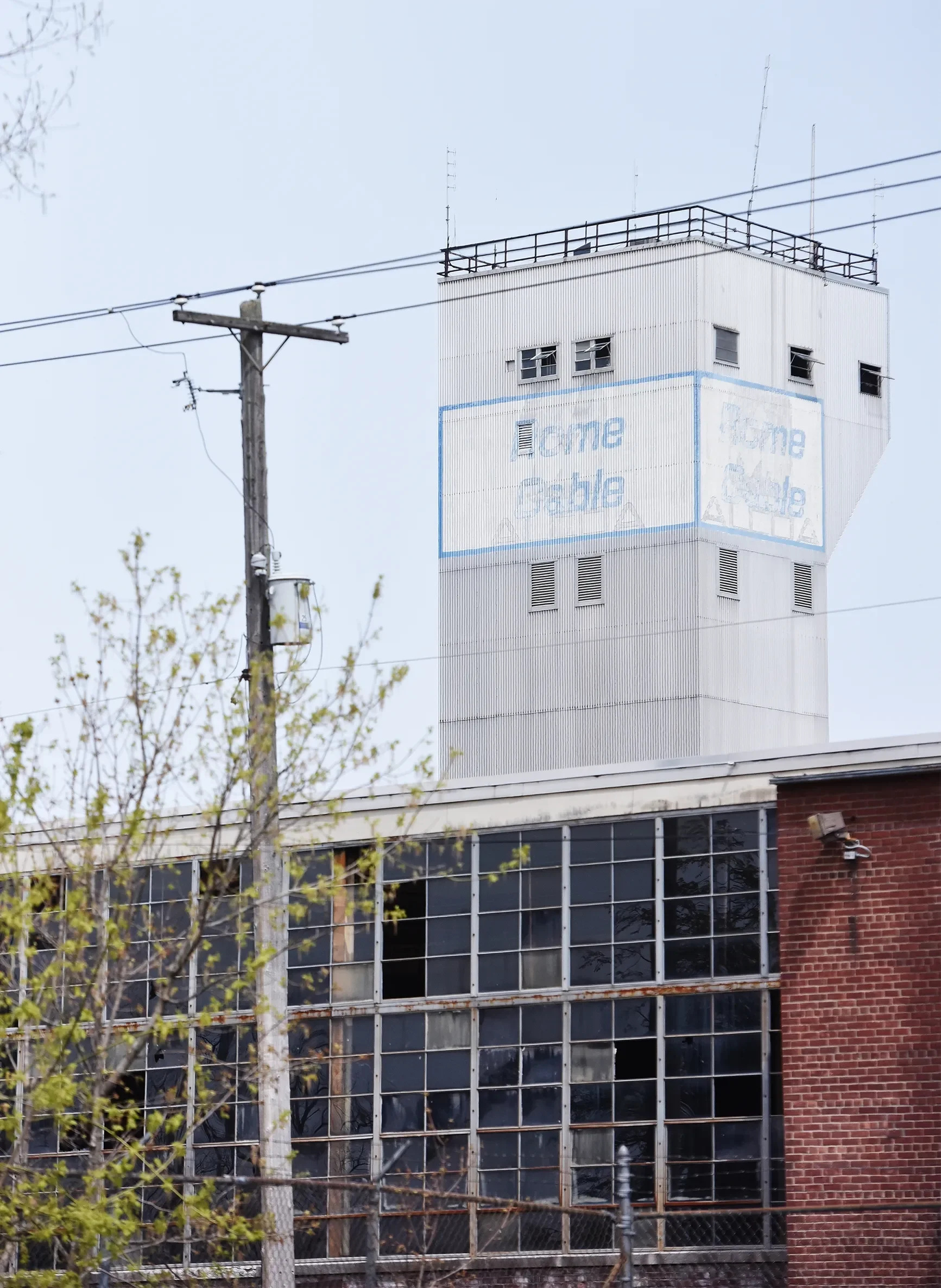
June 3, 2026 - A Tale of Two Variances
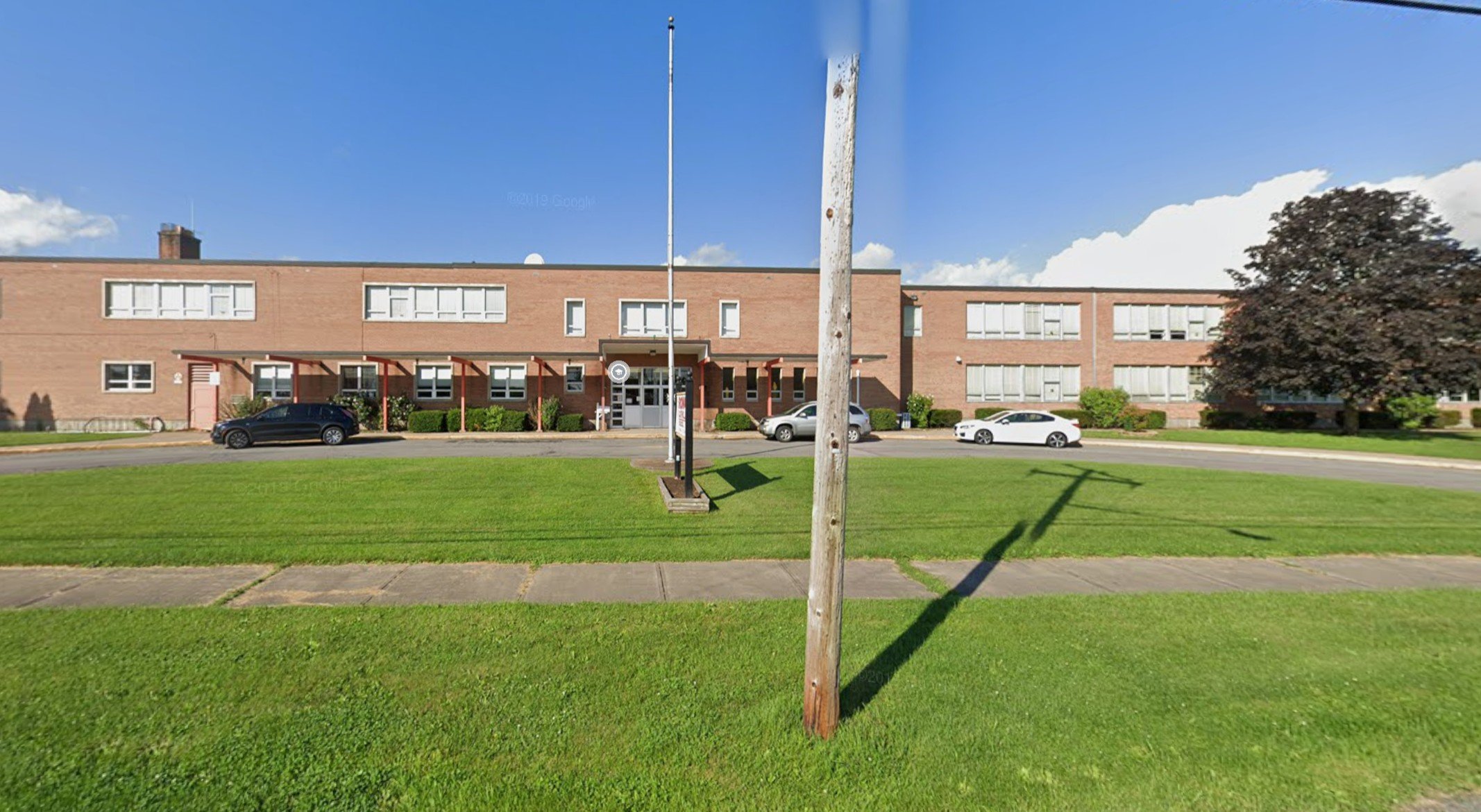
May 6, 2026 - Back to School
April 1, 2026 - Back to the Drawing Board
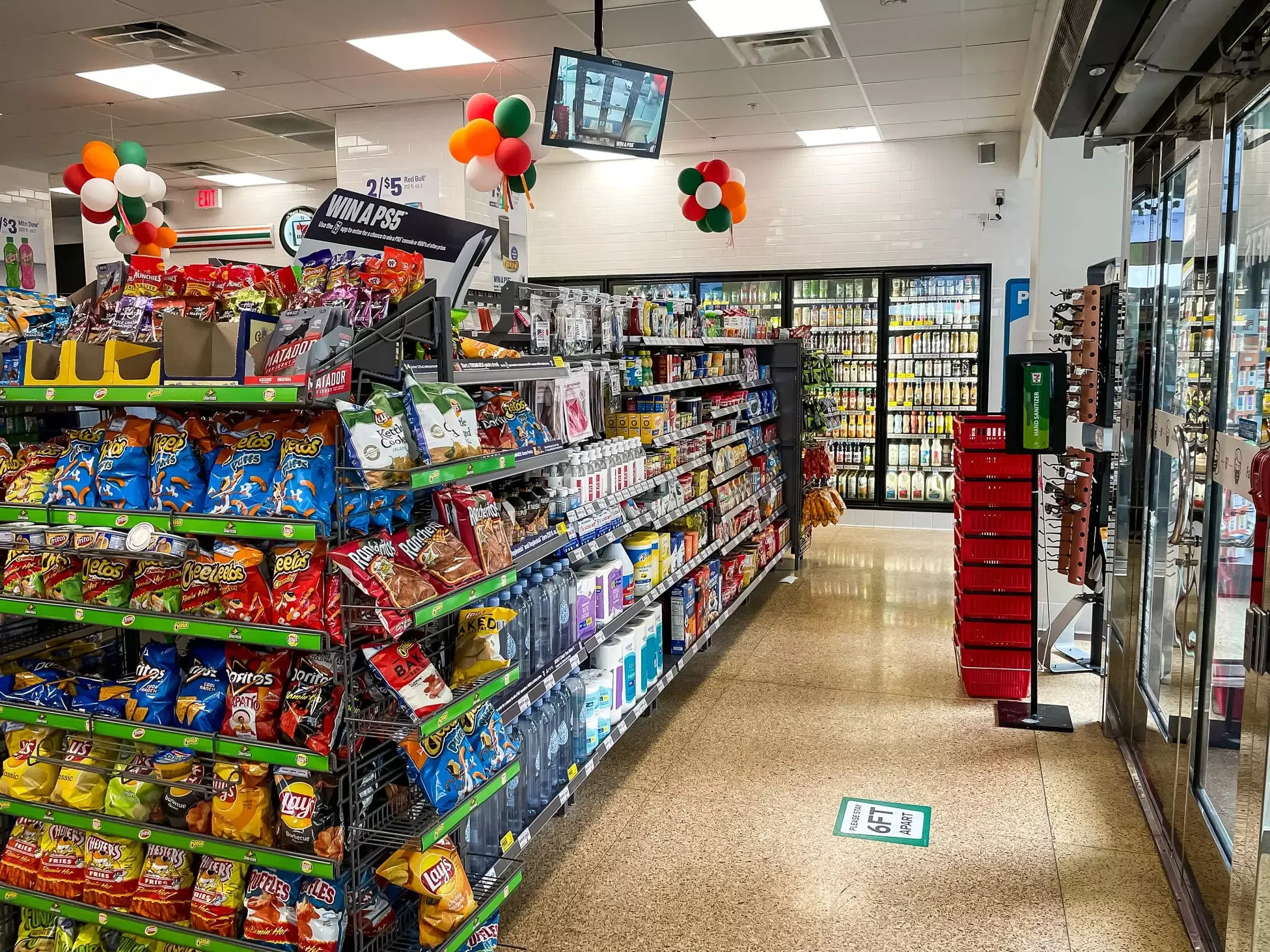
March 4, 2026 - Show Your Work